Rochester Hills is a big city, over 32 square miles, and the water damage calls we take here change depending on where in the city you are.
The southern end, around Brooklands Park and the Auburn Road corridor, has the oldest housing in the city, mostly post-war ranches and colonials from the 1960s through the 1980s. The failures there are plumbing failures. Aging supply lines, water heaters past their service life, and drain lines that weren't sized for the fixtures added over the decades. The farther north you go, past Avon Road toward Stony Creek and Paint Creek, the newer and larger the homes get, and the problem shifts almost entirely to sump pumps. Big finished basements, a water table pulled up by three creek systems running through the city, and a single pump carrying the whole load. When that pump fails during a spring thaw or a summer downpour, a finished lower level takes on water fast.
Winter brings its own version everywhere in the city. January and February calls are frozen supply lines in unheated garages, crawl spaces, and homes left empty over the holidays. A quarter-inch split in a copper line releases hundreds of gallons before anyone notices.
All three start small and all three are inside the drywall and subfloor within a day. That's why the timing of the call matters more than anything else you do.
Your call is answered, day or night. A person picks up at 248-291-9259, not a message service.
A crew is dispatched, on site in about an hour. From our Troy office to anywhere in Rochester Hills, Rochester, and Oakland Township.
We map the moisture in the first 30 minutes. Moisture meters and thermal imaging show us the water you can't see, inside wall cavities and under flooring.
Emergency water extraction the same visit. Truck-mounted extraction, LGR dehumidifiers, and air movers sized to the square footage, set before we leave.
Daily monitoring until the structure is dry, then restoration. We log readings every day, document everything for your carrier, and rebuild what had to come out.
Our IICRC certified technicians handle the full sequence, from the first gallon out to the last piece of trim back on.
Water Extraction and Removal. Truck-mounted and portable extractors pull standing water out fast, before it wicks up drywall and soaks the subfloor. Faster extraction means less demolition later.
Structural Drying and Dehumidification. We dry the structure, not just the surface. LGR dehumidifiers and air movers are placed by square footage and material type, then adjusted as readings change.
Moisture Detection and Mitigation. Moisture meters and thermal imaging find the water hiding in wall cavities, under hardwood, and behind baseboards. What gets missed is what grows mold six weeks later.
Mold Remediation and Prevention. Where mold has already taken hold, we contain the area, run HEPA air scrubbers, remove the colony, and correct the moisture source that fed it. Mold inspection and mold removal in Rochester Hills are handled by the same certified crew.
Contents Restoration and Cleaning. Furniture, documents, electronics, and personal belongings get cleaned, sanitized, and dried where they can be saved, and inventoried for your claim where they cannot.
Most Rochester Hills homeowners call us with two questions. How fast can you get here, and is this covered.
We handle the second one alongside you. We photograph the loss before we touch anything, log daily moisture readings, write the scope in the format carriers expect, and talk to your adjuster directly so you're not translating restoration terms on your own. You're responsible for your deductible.
Whether the loss is covered depends on your policy and the cause. As a general rule, a sudden discharge like a burst pipe or a failed water heater is treated differently than long-term seepage, and sewer backup is usually its own endorsement rather than part of the base policy. Check your declarations page, and call us either way. We'll document the loss properly regardless of how the claim lands.
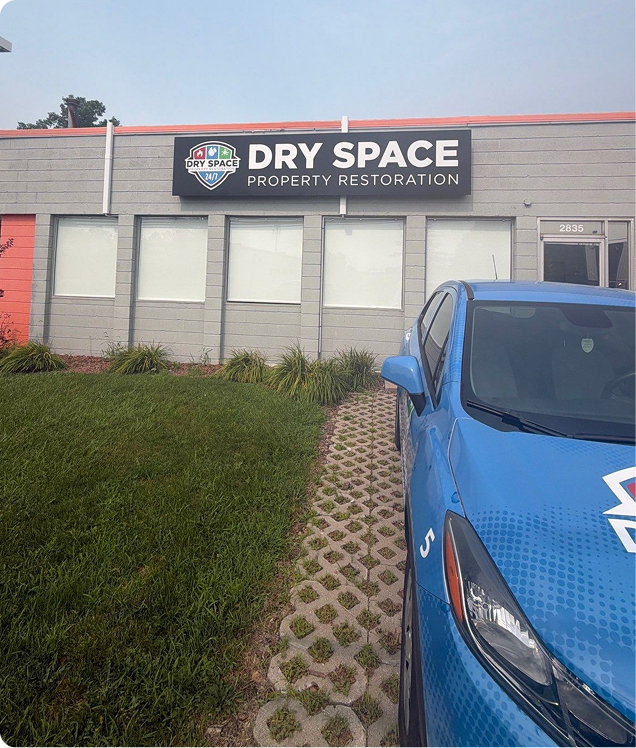
Dry Space Property Restoration works out of Troy and Lapeer, and Rochester Hills borders Troy directly, so it's one of the fastest calls our crews make. We handle residential and commercial losses of every size, from a single finished basement to a multi-unit building.
On site in about an hour. Average response time under 1 hour, 24 hours a day.
IICRC certified technicians. Trained to industry standard on drying, remediation, and containment.
Insurance documentation done for you. Photos, moisture logs, and a carrier-format scope.
Residential and commercial, any size. One basement or one building.
In addition to water damage, our Rochester Hills crews handle:
Fire and Smoke Damage Restoration. Soot removal, odor treatment, structural cleaning, and rebuild after a fire.
Storm Damage Restoration. Wind, hail, fallen limbs, and roof leaks after a Michigan storm.
Mold Remediation. Containment, HEPA filtration, colony removal, and correction of the moisture source.
Restoration Equipment Rental. Air movers, LGR dehumidifiers, and air scrubbers if you're handling a small job yourself.
We respond throughout Oakland County and the surrounding communities, including Rochester, Warren, West Bloomfield, Detroit, Shelby Township, and Sterling Heights.
Our average response time is under an hour. Our Troy office sits right on the Rochester Hills border, and we dispatch 24 hours a day, including weekends and holidays. Call 248-291-9259 and a person will answer.
It depends on the cause and your policy. A sudden, accidental discharge such as a burst pipe or failed water heater is commonly covered. Gradual seepage and long-term leaks usually are not, and sewer backup typically requires a separate endorsement. Check your declarations page, and call us either way so the loss is documented correctly from hour one.
Most residential jobs dry in three to five days, depending on how long the water sat, how much material is affected, and what that material is. Hardwood and plaster take longer than carpet and drywall. We take moisture readings daily and only pull equipment when the structure hits target, not on a fixed schedule.
Box fans move air across a surface. They do not remove moisture from the air or from inside a wall cavity, which is where the problem lives. A floor that feels dry can still hold enough moisture to grow mold behind the baseboard within a couple of weeks. If the water was clean and the area is small, a rental dehumidifier and air mover may be enough. Anything larger, or anything involving sewage, needs metering.
Yes. Sewer backup is category 3 water, which means contaminated. It requires containment, protective equipment, removal of porous materials that cannot be sanitized, and full disinfection. This is not a DIY cleanup. Call us and stay out of the affected area.
It depends on the volume of water, the affected square footage, the category of water, and how much material has to come out. We give a free on-site assessment and a written scope before work starts, and where the loss is covered we bill your carrier directly.

